

Maybe you’ve noticed your child squinting at the whiteboard, or maybe you’re straining your eyes trying to read far-away road signs. Myopia isn’t just an inconvenience that glasses can fix: When myopia goes untreated, these small changes in your vision can increase the risk of serious complications.
Untreated myopia doesn’t usually stay the same, it gets worse over time and can increase the risk of eye damage, including retinal detachment, glaucoma, and more. Total Vision Novato helps families understand these risks through comprehensive evaluations and modern myopia control.
How Untreated Myopia Affects Your Daily Life
Untreated myopia can affect your day-to-day, sometimes to the point of frustration. You might find yourself leaning forward to read faraway signs, struggling to recognize faces across the room, or feeling anxious about driving because you have trouble seeing clearly.
The constant strain on your eyes from uncorrected vision can impact other parts of your body. Sometimes, it can contribute to:
- Headaches from constant eye strain
- Neck tension
- Fatigue after computer work
Serious Eye Conditions From Untreated Myopia
The real impact of untreated myopia lies in how it changes the shape of your eye. Nearsightedness is caused by the eyeball growing too long from front to back. Over time, this can stretch the delicate tissues inside.
Moderate Myopia Risks
Even moderate myopia increases your risk of serious eye conditions. When your prescription reaches -3.00 diopters or higher, your risks of eye complications increase, particularly for glaucoma, cataracts, and retinal detachment.
High Myopia Complications
High myopia (typically defined as a prescription of -6.00 diopters or stronger) transforms your eyes into a high-risk category. The stretched tissues, especially at the back of your eye, have a higher risk of tears. It also carries a higher risk of age-related macular degeneration (AMD) and potential vision loss.
Signs of Myopia in Adults and Children
Your eyes and behavior can provide some insight into when myopia might need professional attention. Recognizing these signs early can help prevent progression and protect your long-term vision health.
In Children
Children rarely complain about vision problems because blurry distance vision feels normal to them. Because of this, watching for behavioral changes in children is often helpful, so you know if it might be time for a children’s eye exam. Watch for these signs:
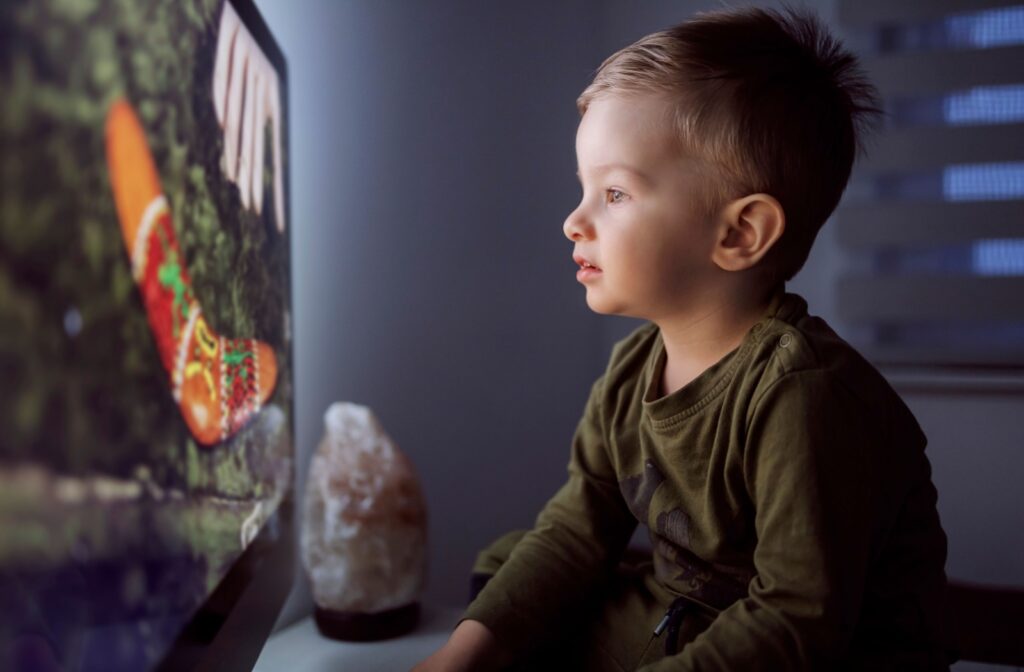
- Squinting or sitting very close to screens
- Frequent eye rubbing
- Not noticing distant objects
In Adults
For adults, there might be signs of an eye emergency to watch out for. These symptoms require immediate attention from your eye doctor because they can signal retinal problems or other serious conditions. Seek professional attention immediately if you experience:
- Sudden flashes of light
- New floaters in vision
- Curtain-like shadows across sight
Why Stronger Glasses Don’t Fix the Problem
Many people assume that getting a stronger prescription solves their myopia problem. While glasses help you see clearly, this approach doesn’t address the underlying issue causing the myopia.
Myopia treatment is typically centered around slowing the growth of the eye. It goes beyond basic vision correction to work on the underlying cause of myopia.
Treatment Options to Control Myopia Progression
Modern eye care offers several approaches to manage myopia progression. Early intervention for myopia is helpful, as the sooner progressive myopia is addressed, the less strong the prescription will be in the long-term.
For Children
Children respond particularly well to myopia control treatments because their eyes are still growing. These interventions change how light focuses in the peripheral (side) areas of the retina, reducing signals that encourage eye growth. Options often include special contact lenses and prescription eye drops.
The option that you choose for your child can depend on their lifestyle, age, and more. A great step is to talk with a member of our team so we can discuss what works for your family.
For Adults
Because adults’ eyes typically aren’t growing anymore, treatment focuses on preventing complications and maintaining stable vision. Regular monitoring helps catch problems early when they’re most treatable. Your plan might include:
- Regular eye exams with your eye doctor in Novato
- Corrective lenses or surgery for vision correction
- Monitoring for complications
Let’s Manage Myopia Together
Don’t wait for your myopia to worsen or develop complications. Our team with Total Vision Novato in Novato, California, can evaluate your vision and discuss treatment options that fit your lifestyle and needs. Schedule a comprehensive eye exam to protect your or your child’s future vision.